SEO Isn’t Dead. It’s Just Grown Up.
The Problem: Too Many Businesses Are Missing What’s Right in Front of Them
In today’s rush to meet deadlines, chase growth, and keep up with trends, it’s easy to overlook something simple but powerful: the community right outside your door. Growth often feels like something you need to pursue far and wide, but sometimes it starts with what's already around you.
Getting involved in your community is more than just a nice thing to do. It’s a meaningful way to build relationships, strengthen your brand, and create a lasting impact. The question is, are you paying attention to what your business can offer in return.
The Opportunity: Real Connection Creates Real Momentum
When your business consistently shows up in the community, people take notice. They remember the businesses that lend a hand, support local causes, and take part in shared experiences. You shift from being just a name on a sign to someone your community trusts and feels good supporting.
This kind of connection goes beyond visibility. It builds loyalty, which leads to long-term benefits that traditional marketing can’t always deliver.
The How: Some Practical and Creative Ways to Get Involved
Community involvement doesn’t need to be complicated or costly. What matters most is that it feels genuine and consistent. Here are a few ways your business can get involved:
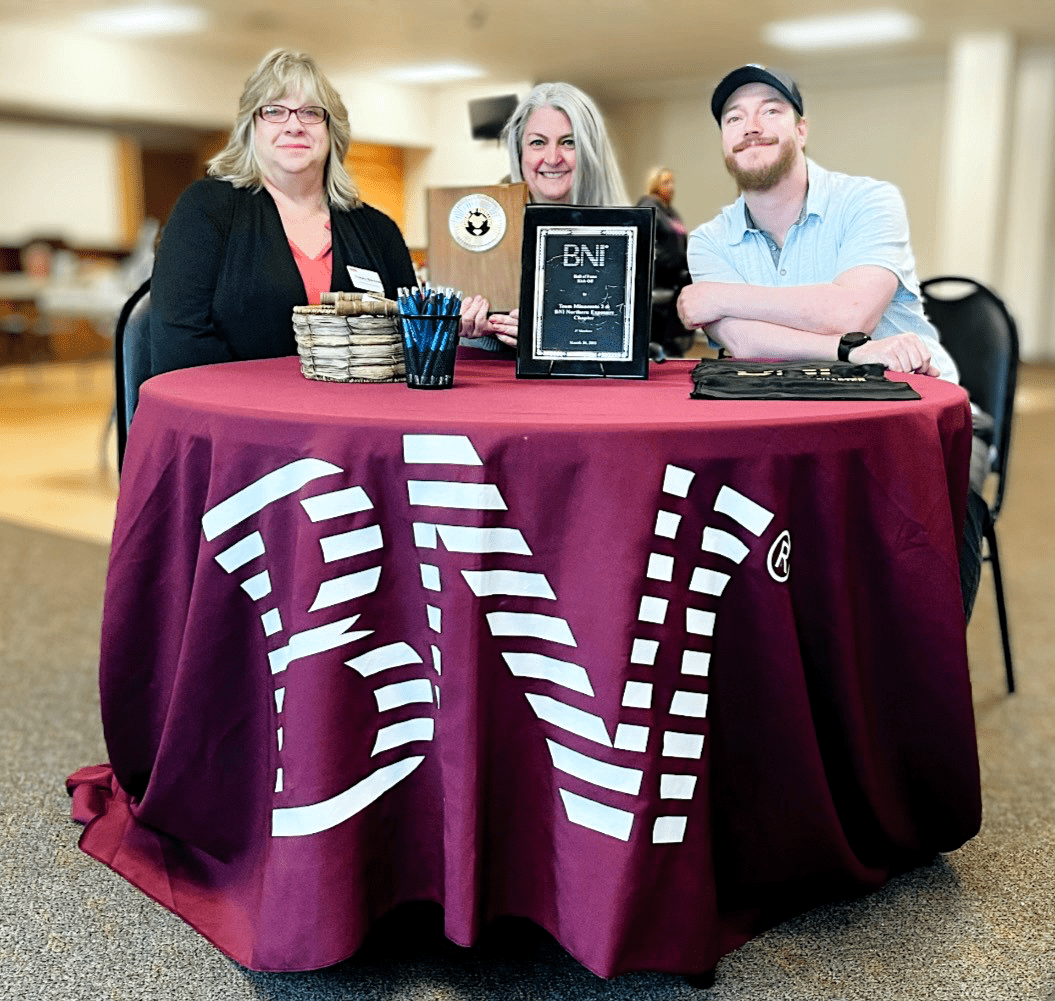
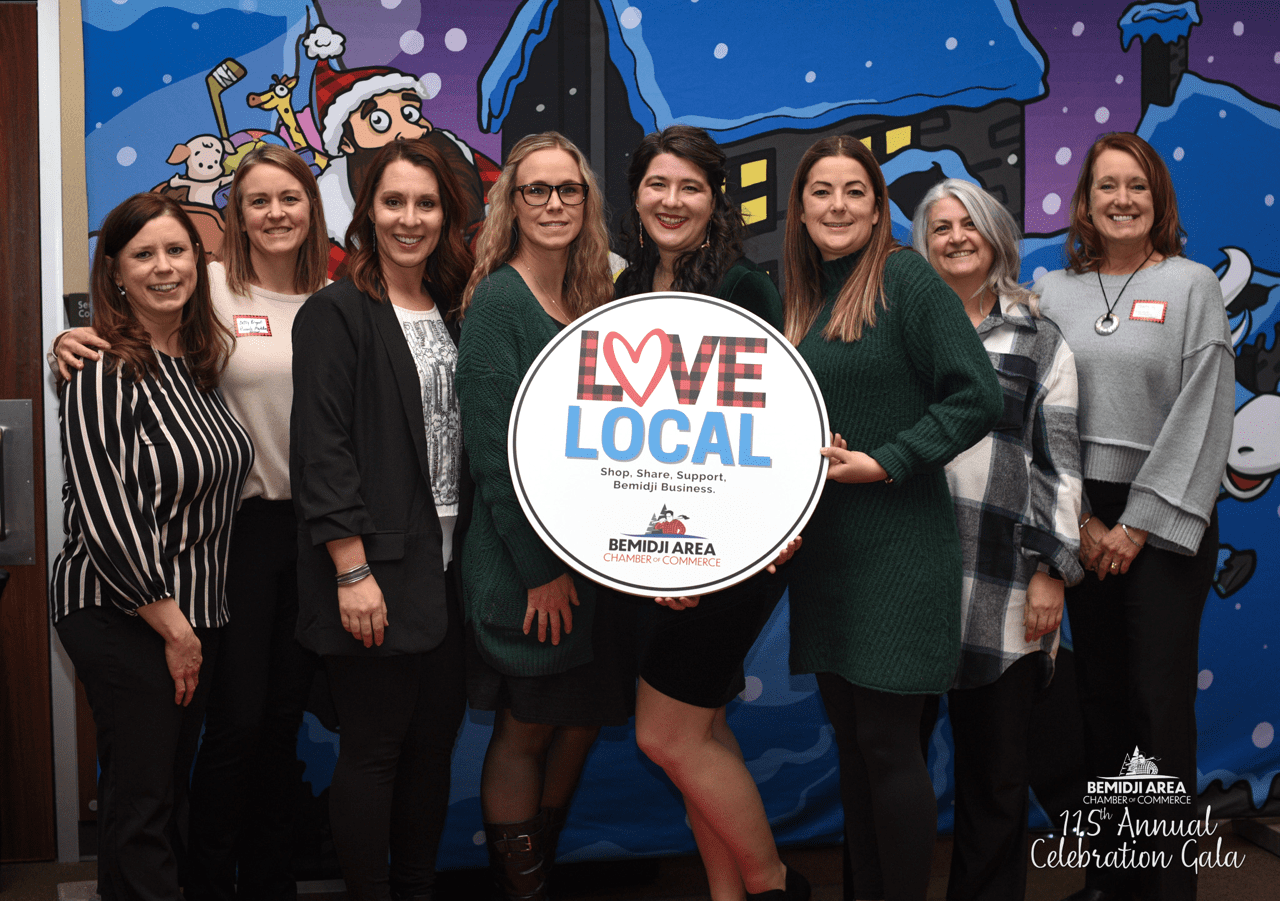
- Join Local Networks: Connect with your Chamber of Commerce, BNI group, or a young professionals’ organization. These groups offer valuable opportunities to build relationships and stay connected with others.
- Support Local Events: Sponsor an event, attend one, or volunteer your time and skills. Show up because you care, not because you are trying to sell something.
- Empower Your Team: Give your employees time and encouragement to volunteer. Many people already want to give back and just need a little support to do it.
- Offer What You Have: Host a small workshop. Provide a service. Share your space. Simple actions can create meaningful results.
- Use Your Platform to Highlight Others: Share stories about nonprofits, small businesses, or local leaders on your blog or social channels. Supporting others helps strengthen the entire community.
Start with one idea and build from there. These actions often lead to connections and opportunities you would not have found otherwise.
The Reward: Stronger Culture, Loyalty, and Brand Trust
Giving back does more than boost your public image. It strengthens your internal culture as well. When your team sees your business care about the community, they feel proud to be part of it. It builds morale, unity, and a shared sense of purpose.
Externally, your customers and partners begin to see your business in a different light. They see consistency, care, and a brand they can believe in. That trust becomes one of your most valuable long-term tools.
Community involvement isn’t just a side project. It is an investment in your values, your people, and your future.
Real-Life Example: What We’re Doing at Pinnacle
At Pinnacle, we believe in showing up for our community in ways that are intentional and lasting. We stay active in organizations like our local Chamber of Commerce, Young Professionals Network, and Business Network International.
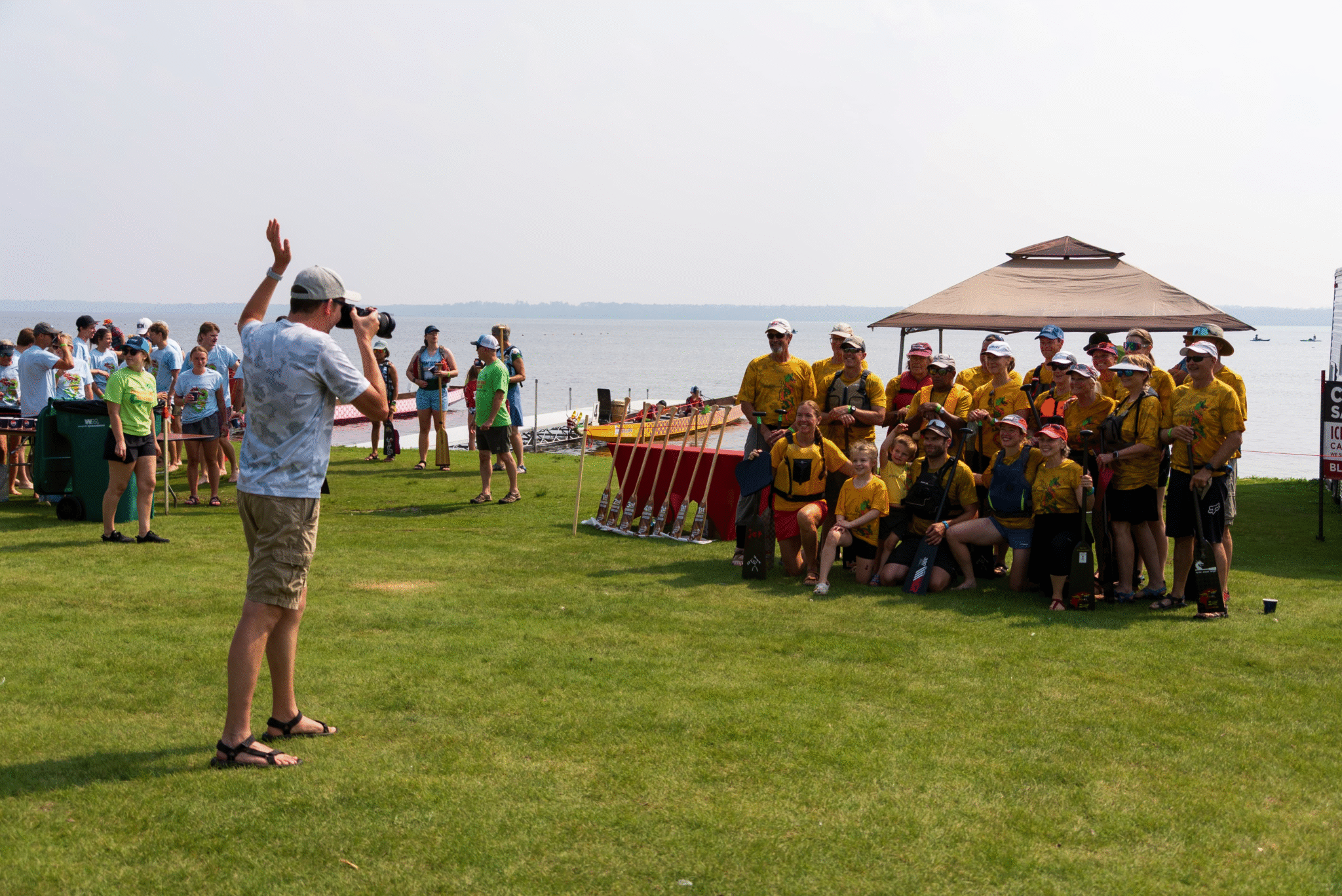
Recently, a few of our team members volunteered at the Bemidji Dragon Boat Festival by helping capture content that highlighted the spirit of the event. We also support and sponsor several local youth sports programs, and some of our employees volunteer their time as coaches. Whether it is through professional involvement or personal commitment, we are proud to play a part in building up the community around us.
The Invitation: Start Small and Keep Showing Up
Getting involved in your community doesn’t require a big budget or the perfect plan. It grows from small, consistent actions and a sincere interest in the people around you.
So, we challenge you to find one new way to get involved this month. Choose something that feels manageable and meaningful.
What begins as a simple act of giving can spark something much bigger. When you invest in your community, you help it thrive. And when the community thrives, so does your business.
